
(And Why Centralized Security Is Changing Everything.)
For years, security meant being on-site. Guards at gates. Supervisors on patrol. Cameras in a control room across the building.
But now, the most effective command posts aren’t even in the same zip code.
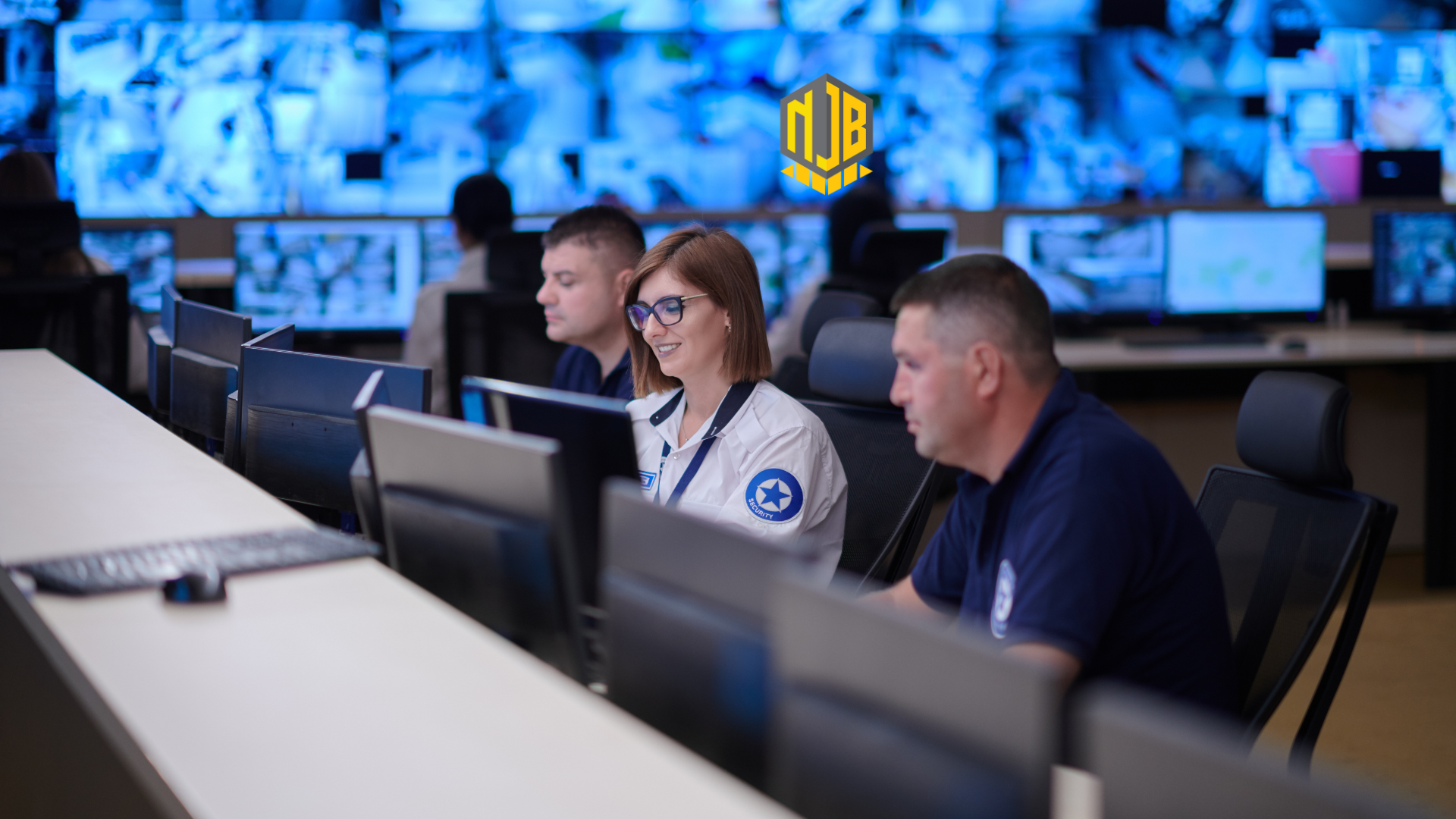
Security Operations Centers (SOCs) are redefining how organizations manage safety, security, and response. By centralizing monitoring, analytics, and decision-making into one hub, companies are doing more with less—without sacrificing visibility or speed.
It’s not science fiction. It’s the new standard for operational intelligence.
The Problem with On-Site Fragmentation
Traditional security operations often suffer from one big flaw: they’re scattered.
Each facility, warehouse, or campus runs its own setup—different cameras, access control systems, reporting tools, and teams. That means:
- Data lives in silos
- Incidents take longer to escalate
- Visibility across sites is nearly impossible
If you’ve ever tried to coordinate a response across multiple locations, you know the pain. Delays, miscommunication, and inconsistent training can make even simple issues feel chaotic.
And when critical events happen—every second lost matters.
Enter the Security Operations Center (SOC)
An SOC takes all of that chaos and brings it under one roof—virtually.
Think of it as a mission control for your security ecosystem. Every feed, every alert, every access event—streamed and managed from one centralized location.
Instead of 10 separate command posts, you have one unified team with a 360° view.
That means:
✅ Faster detection – AI-powered analytics flag threats in real time.
✅ Smarter coordination – Operators see the full picture, not just their corner of it.
✅ Streamlined response – Dispatch, escalation, and communication all happen instantly.
✅ Scalable coverage – Monitor multiple facilities—across cities, states, or even countries—without adding more headcount.
Technology Is the Enabler, Not the Replacement
A Security Operations Center doesn’t eliminate people—it empowers them.
AI, automation, and data visualization help operators make faster, better-informed decisions.
Thermal imaging can identify anomalies across large perimeters.
Access control data can trigger alerts when patterns shift.
Video analytics can spot suspicious movement before it becomes a problem.
But the human element still matters most.
The SOC is where technology and human intelligence converge—and that’s where modern security wins.
Real-World Applications
- Retail chains use SOCs to oversee hundreds of stores with a fraction of the local staff.
- Utilities monitor remote substations, power plants, and field assets without sending patrols daily.
- Corporate campuses unify access control, visitor management, and video feeds into one integrated view.
- Transportation hubs track vehicles, deliveries, and personnel in real time.
In every case, the SOC isn’t just watching—it’s driving decisions.
The ROI of Centralization
The beauty of a Security Operations Center is that it scales intelligently.
Instead of hiring dozens of guards to monitor individual sites, you can train a specialized team that sees and manages all sites simultaneously.
That leads to:
- Reduced labor costs
- Better response times
- Consistent reporting and accountability
- Data you can actually analyze
And when everything is centralized, you gain something priceless—control.
Final Thoughts
The future of security isn’t on the ground—it’s in the cloud.
Security Operations Centers are reshaping how organizations think about awareness, efficiency, and protection.
The question isn’t if you’ll move toward centralization.
It’s how soon.
How do you see centralization changing the way security operates in the next five years?