
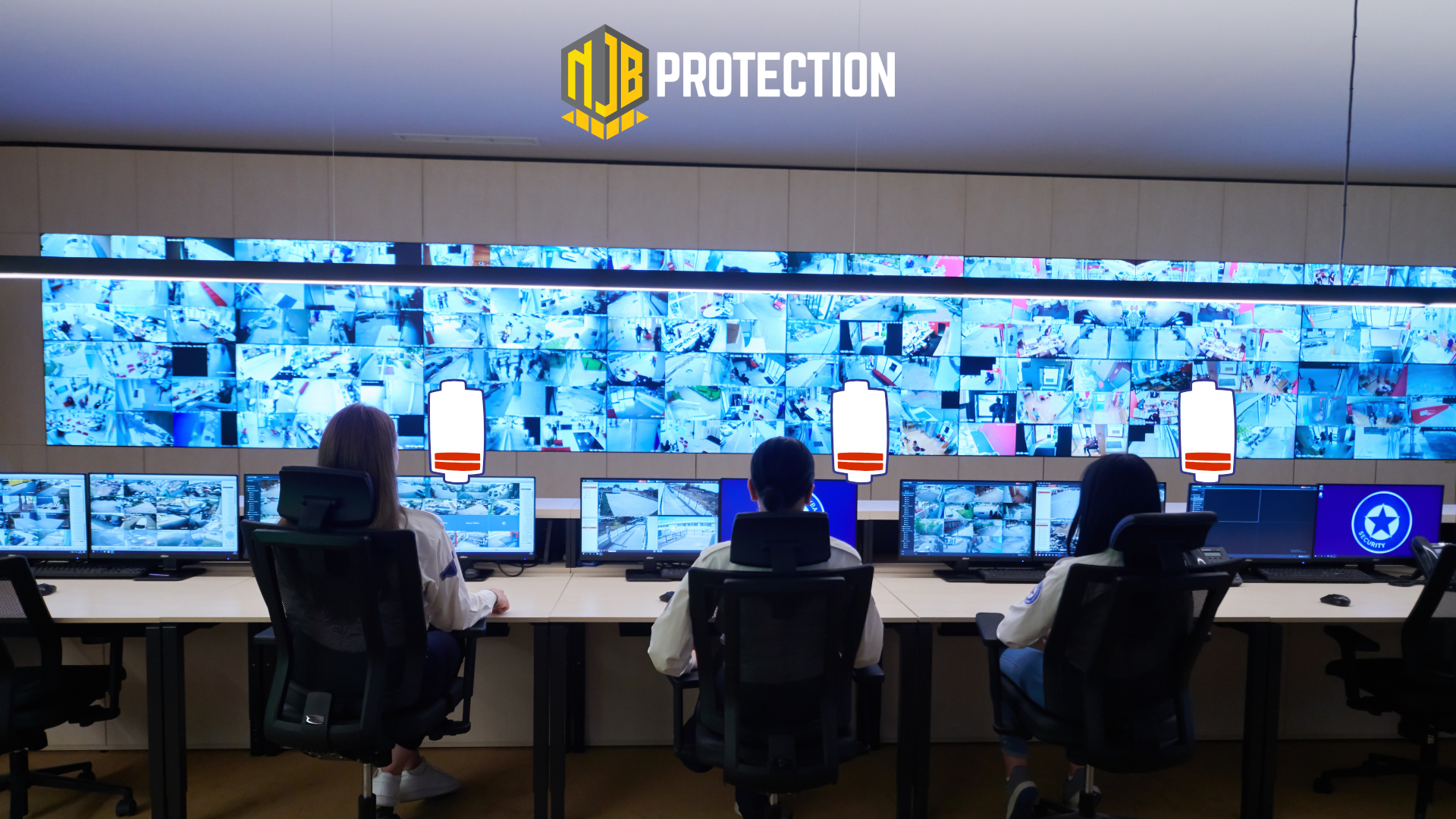
(And Why Burnout Is Becoming a Security Vulnerability)
By Ryan Mueller
No one talks about security fatigue.
They talk about staffing shortages.
They talk about technology gaps.
They talk about response times.
But they rarely talk about the human exhaustion building inside monitoring rooms and security operations centers.
And that exhaustion?
It’s a risk multiplier.
Security fatigue isn’t just burnout.
It’s a performance problem.
What Is Security Fatigue?
Security fatigue happens when monitoring teams are exposed to:
- Constant alerts
- Repetitive false alarms
- Long shifts with minimal variation
- High cognitive demand with low perceived impact
- Pressure to never miss “the big one”
Over time, attention dulls.
Reaction slows.
Judgment narrows.
And in security operations, seconds matter.
The Hidden Cost of Alarm Fatigue
Most security systems generate massive alert volumes.
The majority aren’t real threats.
When operators process hundreds of alerts per shift, the brain adapts. It has to.
This is where alarm fatigue sets in.
- Real alerts start to look like routine ones.
- Verification gets rushed.
- Escalations get delayed.
- Confidence erodes.
The danger isn’t that teams don’t care.
It’s that they’re overloaded.
And overloaded systems — human or technological — fail.
Why Monitoring Teams Are More Vulnerable Than You Think
Security operations centers (SOCs) were built to increase visibility.
But more visibility without intelligent filtering creates pressure.
Imagine staring at walls of feeds for 10 hours.
Minimal movement.
Sudden spikes.
Constant alert tones.
That environment creates:
- Cognitive fatigue
- Reduced situational awareness
- Slower anomaly recognition
- Higher turnover rates
Security fatigue doesn’t show up in reports.
It shows up in missed signals.
The Business Risk Behind Burnout
Security fatigue isn’t just an HR issue.
It’s operational exposure.
Fatigued monitoring teams increase:
- Response delays
- False dismissals
- Escalation hesitation
- Liability risk if a verified alert is ignored
Now consider this:
What happens when the one real breach alert looks like the 300 false ones before it?
That’s where fatigue becomes a vulnerability.
The Shift: Designing Systems That Reduce Cognitive Load
Modern security architecture must account for human bandwidth.
Reducing security fatigue requires:
- AI filtering that eliminates non-critical alerts
- Event validation before operator escalation
- Integrated systems that cross-reference triggers
- Smart dashboards that prioritize threat severity
- Rotational monitoring structures to reduce monotony
The goal isn’t replacing people.
It’s protecting their attention.
Because attention is the most valuable asset inside a monitoring center.
What It Looks Like in Practice
Old model:
Motion alert → operator reviews → likely nothing → repeat.
New model:
Sensor activates → AI classifies → system cross-checks access logs → only validated alerts reach the operator.
Instead of watching everything, teams focus on what matters.
Less noise.
More clarity.
Better decisions.
Frequently Asked Question
What causes security fatigue in monitoring teams?
Security fatigue is primarily caused by excessive false alarms, long monitoring shifts, high cognitive demand, repetitive tasks, and systems that escalate alerts without intelligent filtering.
Final Thoughts
Security fatigue is invisible — until it isn’t.
You won’t see it on a dashboard.
You won’t find it in a contract.
But you’ll feel it in slower responses, missed signals, and rising turnover.
Modern security isn’t just about smarter systems.
It’s about sustainable systems.
Because when the real alert hits, your team shouldn’t be exhausted.
They should be sharp.